
Context
Co-Pilot develops road safety interventions and communication resources for use by road safety practitioners and partner organisations. The aim is not simply to produce engaging campaign materials, but to build interventions that are grounded in evidence, behavioural science and a clear understanding of the problem they are trying to address.
Since 2023, Dr Elizabeth Box has worked with Co-Pilot as its Behavioural Science Consultant, providing ongoing research, behavioural science and evaluation input across the development of Vision Zero Toolbox interventions.
Rather than behavioural science being added at the end, it is embedded throughout the intervention development process. Research helps define the problem and target audience, behavioural theory is used to understand what needs to change, and evaluation is designed around the same objectives established at the outset.
What ECMRS does
ECMRS provides ongoing behavioural science support across the Co-Pilot intervention development cycle. This includes reviewing existing evidence and data, identifying priority behaviours and audiences, applying behavioural frameworks such as COM-B and the Behaviour Change Wheel, developing intervention plans and logic models, reviewing creative concepts and scripts, advising on measurable outcomes, and designing and conducting evaluations.
The role is deliberately iterative. Behavioural science informs creative development as ideas evolve, while evaluation planning begins early enough for the intended mechanisms and outcomes of an intervention to be tested properly.
For the Highway Code campaign, research identified continuing gaps in understanding of the 2022 Highway Code changes, particularly among experienced drivers. Behavioural science was used to shape an intervention aimed not only at increasing knowledge but also at influencing confidence, motivation and perceived social norms.
The subsequent evaluation used a three-arm pre-post-follow-up experimental design with 254 licensed UK drivers. Participants were randomly assigned to the Co-Pilot intervention or one of two active control films, with 210 completing the four-to-six-week follow-up. This allowed the intervention to be tested against meaningful comparators rather than relying solely on reactions from people who had seen the campaign.
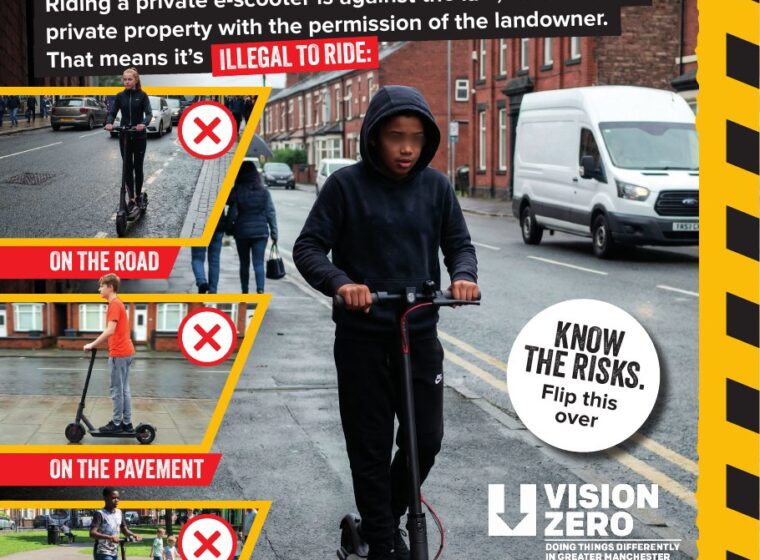
For ScootSmarter, behavioural science and research were similarly used to support the development of an intervention addressing confusion around e-scooter law and safer use. The intervention was then evaluated to test whether exposure improved knowledge of key legal requirements and whether those gains were sustained over time.
Project Information
Service:
Behavioural science and intervention design, research and evaluation
Client:
Vision Zero Toolbox & Community / Co-Pilot

Project Period:
2023-Present
Focus:
Behaviour change, road safety communications, intervention planning, creative development and evaluation