
Context
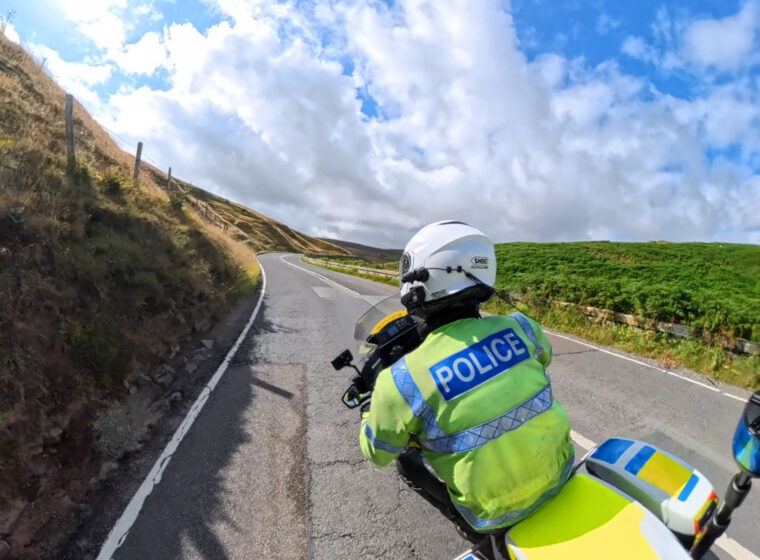
Derbyshire Constabulary is leading a Road Safety Trust-funded project to develop a national communications campaign aimed at improving motorcycle safety. The project builds on pilot research to create a unified, evidence-led behaviour change campaign, co-created with riders and intended for use by police forces nationally through a shared toolkit.
The programme is designed to move beyond one-off communications activity by grounding campaign development in research with motorcyclists and testing messages and creative assets before wider rollout. ECM Research Solutions has been brought in to provide specialist research, behavioural science and evaluation support throughout this process.
What ECMRS does
ECMRS provides ongoing advisory support to strengthen the quality of the research and evaluation while enabling the project team to lead and deliver the work.
This includes advice and review on research design, support with planning pre- and post-development focus groups, guidance on the collection and analysis of survey data, development of behavioural measures informed by frameworks such as COM-B, and critical review of analysis and reporting.
A key part of the role is supporting the project researcher through the practical decisions involved in designing and delivering the work, combining capacity building with independent methodological challenge and quality assurance.
As the project has developed, ECMRS has also supported the testing of campaign materials. This includes the design of an online experimental study using Prolific, comparing responses to the intervention film with a control condition to assess whether the campaign produces measurable differences in relevant knowledge, attitudes, behavioural determinants and responses to the communications. The intention is not simply to establish whether people like the campaign, but to test whether exposure produces evidence of the changes the intervention is designed to achieve.
Further support will be provided as findings from the pilot phase are translated into revised campaign assets, so that evidence from testing can directly inform creative refinement before national rollout.
Project Information
Service:
Research and evaluation advisory support
Client:
Derbyshire Constabulary

Project Period:
2026–2027, ongoing
Focus:
Motorcycle safety, behavioural science, campaign development, research design and evaluation.